A Complete Guide to Sapphire Gemstones for Jewelry Production and Design
Last updated: 24 Mar 2026
147 Views
A Complete Guide to Sapphire Gemstones for Jewelry Production and Design
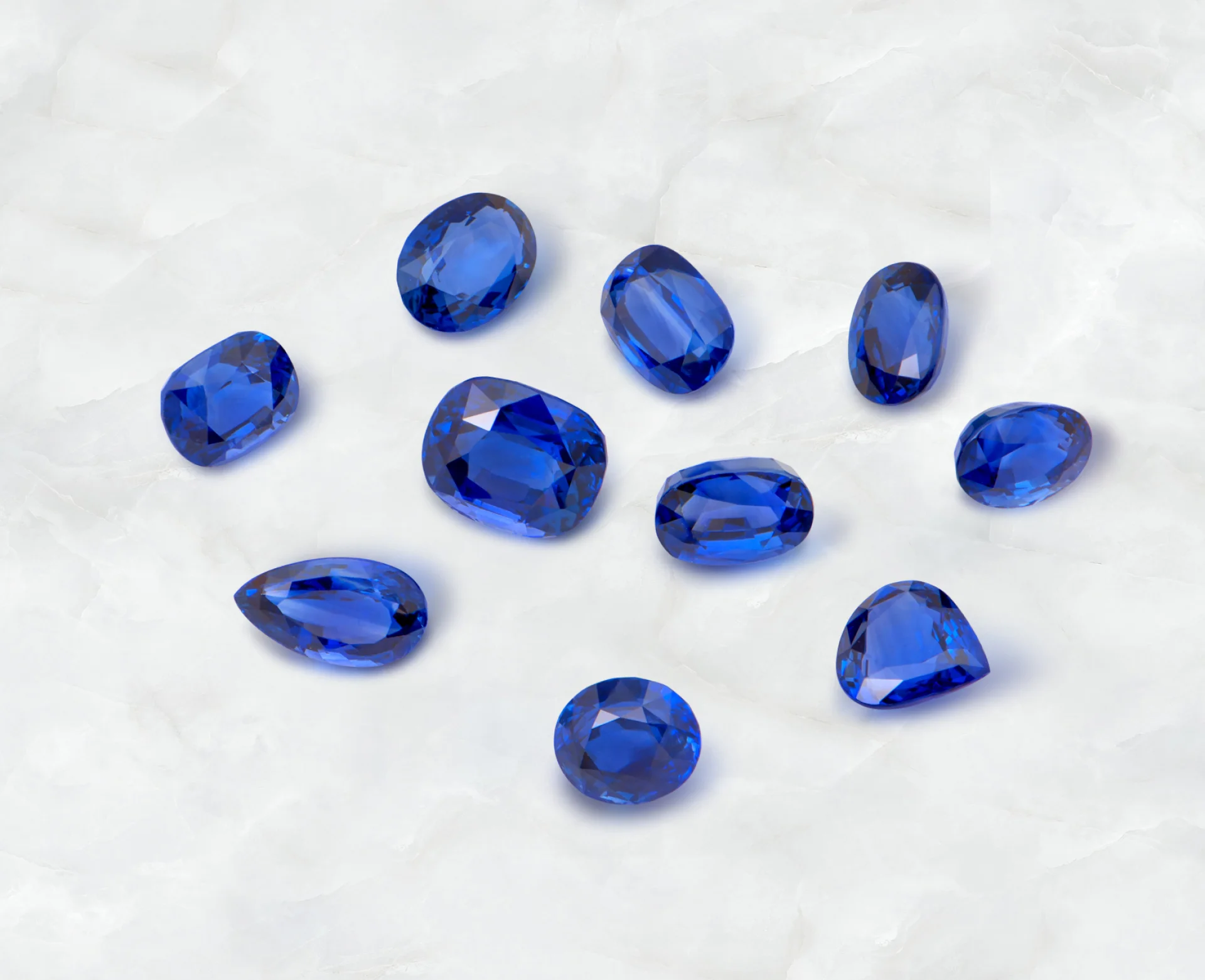
Sapphire is one of the most treasured gemstones in fine jewelry, admired for its outstanding durability, radiant brilliance, and remarkable range of colors. As a member of the corundum mineral family, sapphire ranks 9 on the Mohs hardness scale, making it second only to diamond and exceptionally suitable for everyday wear.
Throughout history, sapphires have symbolized royalty, truth, protection, and loyalty, making them a popular choice for engagement rings, high jewelry, and investment-grade gems. Their value is influenced by factors such as color, clarity, cut, carat weight, treatment, and origin. Whether for design or collection, sapphires offer unmatched beauty and enduring appeal.
Therefore, to know more about one of the legendary gemstones, here is the complete guide from Premier-BKK.
The Introduction and Symbolism of Sapphire Gemstones
Sapphire is one of the precious gemstones belonging to the corundum family, known for its exceptional hardness, vivid colors, and timeless elegance. As stated in the introduction, it's a Ranking 9 on the Mohs scale, and it is one of the most durable gemstones used in fine jewelry.
Although blue is the most iconic color, sapphires naturally occur in pink, yellow, green, white, purple, and the rare peach-pink padparadscha. This wide color range makes sapphire a versatile choice for both collectors and jewelry designers.
Beyond its beauty, sapphire carries deep historical and symbolic meaning as it is often called the “Stone of Kings,”. It has been worn by royalty for centuries as a symbol of wisdom, truth, and divine protection. Many cultures believed sapphires could safeguard travelers, strengthen honesty, and provide spiritual clarity. Today, sapphire is also associated with loyalty and commitment, which is why it remains a popular gemstone for engagement rings and heirloom pieces.
Category: Natural vs. Lab-Created Sapphires
Choosing between natural and lab-grown sapphires is one of the most important decisions for buyers. Although they share the same chemical composition, their origin, rarity, and long-term value differ significantly. Below is a complete explanation.
1. Natural Sapphires
Natural sapphires are formed deep underground over millions of years under intense heat and pressure. Their beauty lies in their geological uniqueness two natural sapphires are ever identical.
The characteristics of natural sapphires are mainly composed of Aluminum oxide (corundum) with natural trace elements, and often show natural inclusions such as rutile silk, crystals, fingerprints, or color zoning as the appearance Moreover, because it has less than 1% of well-color and high quality of sapphire, therefore, it is highly valued, especially when untreated or from a prestigious origin.
2. Lab-Created (Lab-Grown) Sapphires
Lab-grown sapphires are man-made in controlled environments using scientific methods that reproduce the natural crystal growth process. They are chemically, physically, and optically identical to natural sapphires, so what differs is their origin and rarity.
Common production methods include:
● Verneuil (Flame Fusion): Most common, budget-friendly
● Czochralski (Pulling): Higher quality, more consistent
● Flux-Grown: Produces stones very close to natural appearance
Advantages of Lab-Grown Sapphires
● More Affordable luxury
● High clarity and vivid color
● Widely available in many shapes and larger sizes
● Ideal for fashion jewelry or trend-forward designs
The Color and Variety of Sapphire
While most people recognize sapphire for its deep blue hue, this gemstone actually appears in almost every color of the rainbow. All colors of corundum are considered sapphires, except red, which is classified as ruby. The presence of trace minerals such as iron, titanium, chromium, and vanadium creates the diverse palette of sapphire colors seen today.
For example,
● Blue Sapphires: The most classic and valuable variety. It ranges from royal blue, deep midnight to cornflower blue.
● Padparadscha Sapphires: A rare and highly coveted gem featuring a delicate blend of pink and orange, reminiscent of a tropical sunset.
● Pink Sapphires: Soft to vivid shades of pink, caused by chromium. Popular in modern engagement rings.
● Yellow Sapphires: Ranges from pale lemon to vibrant golden tones. It is Ideal for those seeking a cheerful, radiant gemstone.
● Green Sapphires: Created by iron content, offering earthy and unique tones. Often more affordable, making them excellent for custom jewelry.
● White (Colorless) Sapphires: A natural, more affordable alternative to diamonds in rings and fine jewelry.
● Purple & Violet Sapphires: Ranges from soft lavender to rich violet. Caused by trace amounts of vanadium.
● Parti Sapphires: this type of sapphire exhibits two or more colors (often blue, yellow, and green) in a single stone. Naturally occurring and impossible to replicate perfectly in a lab.
Understanding Sapphire Quality (4Cs)
Choosing the right sapphire requires more than simply selecting a beautiful color. Like diamonds, sapphires are evaluated using the 4Cs, which are Color, Clarity, Cut, and Carat, but their grading system emphasizes different aspects.
Because sapphires are colored gemstones, color plays the most critical role in determining value, while clarity and cut influence brilliance, life, and overall character of the gem. Each sapphire is unique, shaped by geological forces over millions of years, resulting in natural inclusions, subtle zoning, or color variations that make every stone one-of-a-kind.
Therefore, the below are the meanings of the 4Cs Method to guide you to choose your dream sapphires.
1. Color, The Most Important Factor
Color is the single most influential element in sapphire valuation. Gemologists evaluate color based on Hue, Tone, and Saturation. The Hue means the dominant color of the stone, such as blue, pink, or yellow. The desirable hues show pure, balanced color without strong secondary tones. The tone represents how light or dark the color appears. And saturation measures intensity and vividness, which High saturation creates rich, glowing color, while Low saturation appears dull or washed out.
2. Clarity
Sapphires, like most colored gemstones, it is naturally contain inclusions formed during crystallization.
Unlike diamonds, sapphires are not expected to be flawless, but Eye-clean stones are highly valued.
3. Cut to Maximizing Brilliance and Color
Unlike diamonds with strict proportions, sapphire cutting prioritizes color optimization. Therefore, the Goals of a good cut aim to enhance color saturation, maximize brilliance and light return, minimize windowing, and improve symmetry and shape appeal.
4. Carat Weight
Sapphire value increases dramatically with size because large, high-quality crystals are rare. And the Key Notes are the Prices often rise significantly after 2–3 carats, Unheated stones experience an even larger price jump, and Larger stones often show deeper color, which can be either desirable or overly dark
Discover the Finest Sapphire Jewelry With Premier-BKK
Sapphire remains one of the world’s most cherished gemstones, admired for its rich color, exceptional durability, and symbolism of truth, loyalty, and timeless elegance. Whether chosen for an engagement ring, heirloom piece, or investment gemstone, a well-selected sapphire offers beauty and meaning that lasts for generations.
At Premier-BKK, we bring this legacy to life through our carefully curated selection of natural and certified sapphires sourced from trusted mines around the world, including Sri Lanka, Madagascar, and Thailand. Every gemstone is hand-inspected for quality, authenticity, and brilliance, ensuring our customers receive only the finest pieces that meet international gemological standards.
Whether you are searching for a rare unheated sapphire, a vibrant colored stone for custom jewelry, or expert guidance in understanding sapphire quality, Premier-BKK is your trusted destination for premium gemstones and exceptional craftsmanship.
Explore our collection and experience the enduring beauty of sapphires with confidence.
Visit Us: www.premiergems-bkk.com
Sapphire is one of the most treasured gemstones in fine jewelry, admired for its outstanding durability, radiant brilliance, and remarkable range of colors. As a member of the corundum mineral family, sapphire ranks 9 on the Mohs hardness scale, making it second only to diamond and exceptionally suitable for everyday wear.
Throughout history, sapphires have symbolized royalty, truth, protection, and loyalty, making them a popular choice for engagement rings, high jewelry, and investment-grade gems. Their value is influenced by factors such as color, clarity, cut, carat weight, treatment, and origin. Whether for design or collection, sapphires offer unmatched beauty and enduring appeal.
Therefore, to know more about one of the legendary gemstones, here is the complete guide from Premier-BKK.
The Introduction and Symbolism of Sapphire Gemstones
Sapphire is one of the precious gemstones belonging to the corundum family, known for its exceptional hardness, vivid colors, and timeless elegance. As stated in the introduction, it's a Ranking 9 on the Mohs scale, and it is one of the most durable gemstones used in fine jewelry.
Although blue is the most iconic color, sapphires naturally occur in pink, yellow, green, white, purple, and the rare peach-pink padparadscha. This wide color range makes sapphire a versatile choice for both collectors and jewelry designers.
Beyond its beauty, sapphire carries deep historical and symbolic meaning as it is often called the “Stone of Kings,”. It has been worn by royalty for centuries as a symbol of wisdom, truth, and divine protection. Many cultures believed sapphires could safeguard travelers, strengthen honesty, and provide spiritual clarity. Today, sapphire is also associated with loyalty and commitment, which is why it remains a popular gemstone for engagement rings and heirloom pieces.
Category: Natural vs. Lab-Created Sapphires
Choosing between natural and lab-grown sapphires is one of the most important decisions for buyers. Although they share the same chemical composition, their origin, rarity, and long-term value differ significantly. Below is a complete explanation.
1. Natural Sapphires
Natural sapphires are formed deep underground over millions of years under intense heat and pressure. Their beauty lies in their geological uniqueness two natural sapphires are ever identical.
The characteristics of natural sapphires are mainly composed of Aluminum oxide (corundum) with natural trace elements, and often show natural inclusions such as rutile silk, crystals, fingerprints, or color zoning as the appearance Moreover, because it has less than 1% of well-color and high quality of sapphire, therefore, it is highly valued, especially when untreated or from a prestigious origin.
2. Lab-Created (Lab-Grown) Sapphires
Lab-grown sapphires are man-made in controlled environments using scientific methods that reproduce the natural crystal growth process. They are chemically, physically, and optically identical to natural sapphires, so what differs is their origin and rarity.
Common production methods include:
● Verneuil (Flame Fusion): Most common, budget-friendly
● Czochralski (Pulling): Higher quality, more consistent
● Flux-Grown: Produces stones very close to natural appearance
Advantages of Lab-Grown Sapphires
● More Affordable luxury
● High clarity and vivid color
● Widely available in many shapes and larger sizes
● Ideal for fashion jewelry or trend-forward designs
The Color and Variety of Sapphire
While most people recognize sapphire for its deep blue hue, this gemstone actually appears in almost every color of the rainbow. All colors of corundum are considered sapphires, except red, which is classified as ruby. The presence of trace minerals such as iron, titanium, chromium, and vanadium creates the diverse palette of sapphire colors seen today.
For example,
● Blue Sapphires: The most classic and valuable variety. It ranges from royal blue, deep midnight to cornflower blue.
● Padparadscha Sapphires: A rare and highly coveted gem featuring a delicate blend of pink and orange, reminiscent of a tropical sunset.
● Pink Sapphires: Soft to vivid shades of pink, caused by chromium. Popular in modern engagement rings.
● Yellow Sapphires: Ranges from pale lemon to vibrant golden tones. It is Ideal for those seeking a cheerful, radiant gemstone.
● Green Sapphires: Created by iron content, offering earthy and unique tones. Often more affordable, making them excellent for custom jewelry.
● White (Colorless) Sapphires: A natural, more affordable alternative to diamonds in rings and fine jewelry.
● Purple & Violet Sapphires: Ranges from soft lavender to rich violet. Caused by trace amounts of vanadium.
● Parti Sapphires: this type of sapphire exhibits two or more colors (often blue, yellow, and green) in a single stone. Naturally occurring and impossible to replicate perfectly in a lab.
Understanding Sapphire Quality (4Cs)
Choosing the right sapphire requires more than simply selecting a beautiful color. Like diamonds, sapphires are evaluated using the 4Cs, which are Color, Clarity, Cut, and Carat, but their grading system emphasizes different aspects.
Because sapphires are colored gemstones, color plays the most critical role in determining value, while clarity and cut influence brilliance, life, and overall character of the gem. Each sapphire is unique, shaped by geological forces over millions of years, resulting in natural inclusions, subtle zoning, or color variations that make every stone one-of-a-kind.
Therefore, the below are the meanings of the 4Cs Method to guide you to choose your dream sapphires.
1. Color, The Most Important Factor
Color is the single most influential element in sapphire valuation. Gemologists evaluate color based on Hue, Tone, and Saturation. The Hue means the dominant color of the stone, such as blue, pink, or yellow. The desirable hues show pure, balanced color without strong secondary tones. The tone represents how light or dark the color appears. And saturation measures intensity and vividness, which High saturation creates rich, glowing color, while Low saturation appears dull or washed out.
2. Clarity
Sapphires, like most colored gemstones, it is naturally contain inclusions formed during crystallization.
Unlike diamonds, sapphires are not expected to be flawless, but Eye-clean stones are highly valued.
3. Cut to Maximizing Brilliance and Color
Unlike diamonds with strict proportions, sapphire cutting prioritizes color optimization. Therefore, the Goals of a good cut aim to enhance color saturation, maximize brilliance and light return, minimize windowing, and improve symmetry and shape appeal.
4. Carat Weight
Sapphire value increases dramatically with size because large, high-quality crystals are rare. And the Key Notes are the Prices often rise significantly after 2–3 carats, Unheated stones experience an even larger price jump, and Larger stones often show deeper color, which can be either desirable or overly dark
Discover the Finest Sapphire Jewelry With Premier-BKK
Sapphire remains one of the world’s most cherished gemstones, admired for its rich color, exceptional durability, and symbolism of truth, loyalty, and timeless elegance. Whether chosen for an engagement ring, heirloom piece, or investment gemstone, a well-selected sapphire offers beauty and meaning that lasts for generations.
At Premier-BKK, we bring this legacy to life through our carefully curated selection of natural and certified sapphires sourced from trusted mines around the world, including Sri Lanka, Madagascar, and Thailand. Every gemstone is hand-inspected for quality, authenticity, and brilliance, ensuring our customers receive only the finest pieces that meet international gemological standards.
Whether you are searching for a rare unheated sapphire, a vibrant colored stone for custom jewelry, or expert guidance in understanding sapphire quality, Premier-BKK is your trusted destination for premium gemstones and exceptional craftsmanship.
Explore our collection and experience the enduring beauty of sapphires with confidence.
Visit Us: www.premiergems-bkk.com
Related Content
When we talk about Calibrated Gemstones In the world of modern jewellery manufacturing, there are factors that are as essential as the consistency of gemstones. Whether producing high-end fine jewelry or large-scale commercial collections, calibrated gemstones ensure that every piece is beautiful, structurally sound, and economically efficient.
24 Mar 2026

8–12 September 2026
Queen Sirikit National Convention Center (QSNCC), Bangkok
LG Foyer | Booths FB, FC 47–51
Premier Gems is delighted to announce our participation in the 74th Bangkok Gems & Jewelry Fair 2026, one of Asia's leading international trade exhibitions for the gemstone and jewellery industry.
15 Jul 2026
When it comes to creating high-quality jewelry at scale, the consistency is everything. Ruby, one of the most prized and visually striking gemstones, can vary significantly in color, clarity, and structure. Without a proper grading system, producing uniform jewelry pieces becomes nearly impossible.
24 Mar 2026
